
Marilyn Monroe
The Eternal Icon at 100
Born June 1, 1926 · A century of beauty, complexity, courage, and enduring legend.
The Invention of a Star
She was born Norma Jeane Mortenson on June 1, 1926, in Los Angeles, California — a child who never truly knew her father, whose mother Gladys Baker was institutionalized when Norma Jeane was just seven years old. Shuffled through a succession of foster homes and orphanages, she learned early that the world was an unpredictable, often unkind place. Yet from those fractured beginnings, one of the most luminous careers in entertainment history would emerge.
The war changed everything. In 1944, a photographer named David Conover visited the Radioplane Munitions Factory in Burbank, California, on assignment for the U.S. Army’s Yank magazine. He was tasked with photographing women contributing to the war effort. He found Norma Jeane on the factory floor — and the camera fell in love with her immediately. Those photographs circulated widely, and the modeling world took notice. Her trajectory was permanently altered.
By 1946, she had signed her first contract with Twentieth Century-Fox — a $125-a-week deal that came with a condition: a new name. “Marilyn Monroe” was born, a confection of theatrical glamour borrowed partly from actress Marilyn Miller and her mother’s maiden name. She dyed her brunette hair platinum blonde, took acting classes, and began the painstaking process of building an entirely new identity. The transformation was total, deliberate, and breathtaking in its ambition.
What is often overlooked in the mythology of her reinvention is how much agency and intelligence she brought to it. This was no passive makeover — Marilyn Monroe was a character she constructed with the care of a novelist, a persona layered with vulnerability and magnetism that she understood, perhaps better than anyone, was a kind of armor as much as it was an art form.
Early Life at a Glance
1926
Born Norma Jeane Mortenson, Los Angeles
1933
Mother institutionalized; foster care begins
1944
Discovered at Radioplane munitions factory
1946
Signs with Fox; becomes Marilyn Monroe
The Art of Reinvention
Norma Jeane: The Beginning
A shy, dark-haired factory girl from a turbulent childhood — earnest, eager, and deeply uncertain of her place in the world. The photographs from this era reveal a girl of striking natural beauty, but also profound fragility, as if the camera could sense the storms beneath the surface.
Marilyn Monroe: The Icon
Platinum hair, red lips, luminous skin, and a smile that somehow communicated both joy and longing simultaneously. The transformation was not merely cosmetic — it was existential. She became something the world had never quite seen before: a woman who wielded her own image as both shield and weapon.
“I knew I belonged to the public and to the world, not because I was talented or even beautiful, but because I had never belonged to anything or anyone else.” — Marilyn Monroe
Hollywood's Golden Girl
By the early 1950s, Marilyn Monroe was no longer simply a starlet — she was a phenomenon. Her ascent through the Hollywood hierarchy was meteoric and, at times, deliberately engineered by a studio system that saw in her a rare commercial asset. Yet Monroe herself was never merely a product of the machine; she pushed against it, shaped it, and ultimately transcended it in ways that still resonate today.
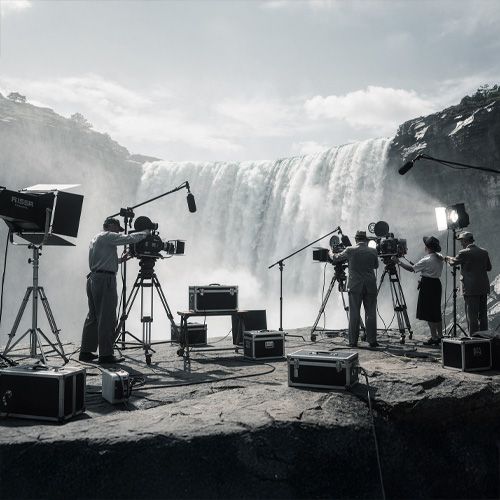
Niagara (1953)
Her first major starring role announced the arrival of a full-blown sex symbol. The film’s marketing leaned heavily into Monroe’s physicality, but her performance revealed a genuine dramatic instinct that critics could not ignore.
The Seven Year Itch (1955)
The now-legendary subway grate scene — white dress billowing, laughter uncontained — became perhaps the single most reproduced image in the history of cinema. It defined an era, a career, and a cultural moment simultaneously.
Breaking Stereotypes
Critics who dismissed Monroe as a “dumb blonde” were consistently confounded by her box office dominance. She was, year after year, one of Hollywood’s most bankable stars — a fact that spoke not to luck but to an instinctive mastery of screen presence.
Dramatic Rise: The $200 Million Star
At the height of her powers, Marilyn Monroe was the top-billed actress in Hollywood — a distinction that carried enormous financial and cultural weight during the Golden Age of cinema. Studios competed for her. Audiences around the world turned out in extraordinary numbers whenever her name appeared above the title. By modern estimates, her films generated revenues equivalent to over $200 million in today’s currency.
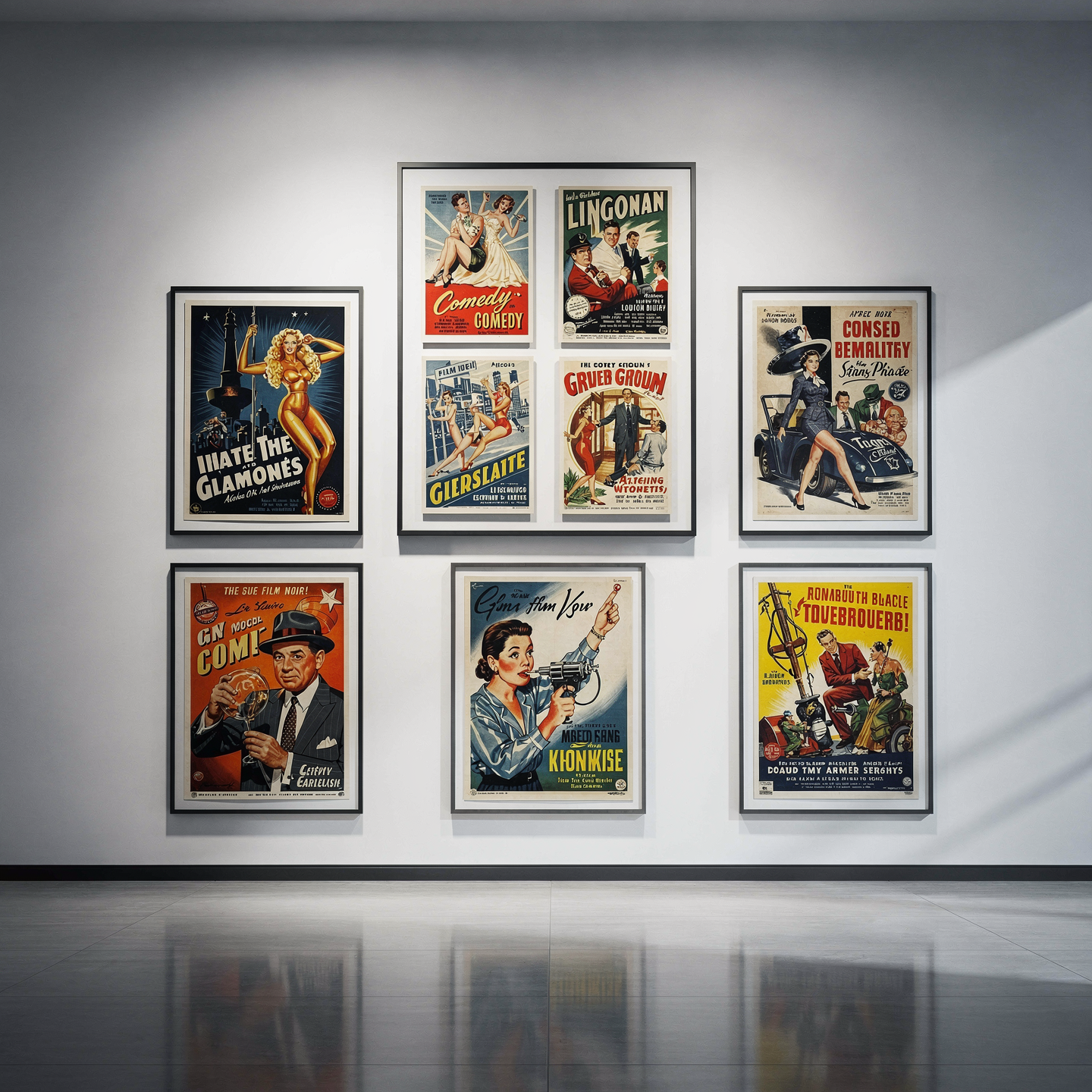
At the height of her powers, Marilyn Monroe was the top-billed actress in Hollywood — a distinction that carried enormous financial and cultural weight during the Golden Age of cinema. Studios competed for her. Audiences around the world turned out in extraordinary numbers whenever her name appeared above the title. By modern estimates, her films generated revenues equivalent to over $200 million in today’s currency.
Gentlemen Prefer Blondes (1953)
Gentlemen Prefer Blondes (1953) cemented her as a comedic force of nature. Her performance of “Diamonds Are a Girl’s Best Friend” remains one of the most referenced musical sequences in cinema history, endlessly parodied and quoted as a shorthand for a particular kind of knowing, ironic femininity. Paired with Jane Russell, Monroe held the screen with absolute confidence.
How to Marry a Millionaire (1953)
How to Marry a Millionaire (1953), released the same year, demonstrated her extraordinary range within comic timing and her ability to generate chemistry with any co-star. Then came the crowning achievement: Some Like It Hot (1959), directed by Billy Wilder, in which her performance as Sugar Kane earned her a Golden Globe for Best Actress in a Musical or Comedy — a moment of formal recognition that her talent had long deserved.
Beyond the Image
The year 1955 marked a decisive turning point — not just in Marilyn Monroe’s career, but in her understanding of herself as an artist and a person. Exhausted by the roles Fox continued to offer her, frustrated by the contractual obligations that kept her trapped in a narrow typecasting box, she did something extraordinary: she walked away from Hollywood and moved to New York.
Marilyn Monroe Productions
In a bold act of entrepreneurial courage, Monroe co-founded Marilyn Monroe Productions with photographer Milton Greene in 1955. The company gave her creative and financial control over her work — an almost unheard-of arrangement for an actress of that era, particularly a woman. It was a declaration of independence as much as a business venture.
The Actors Studio
Monroe enrolled at Lee Strasberg’s Actors Studio in New York, immersing herself in the Method acting tradition alongside some of the most serious dramatic talents of the generation. Strasberg himself called her one of the most gifted students he had ever taught — a judgment that surprised many but confirmed what those who knew her well had always suspected.
Critical Acclaim Arrives
The results of her artistic reinvestment were immediately visible. Bus Stop (1956) earned her the first truly universal critical praise of her career. The Prince and the Showgirl (1957), filmed in England opposite Laurence Olivier, added an international dimension to her reputation. She was no longer simply a sex symbol — she was an actress.
More Than a Sex Symbol:
The Intellectual Behind the Lens
On film sets between takes, Marilyn Monroe was frequently photographed reading — not celebrity gossip or light fiction, but serious literature: Dostoevsky, Joyce, Whitman, Sandburg. Her personal library, catalogued after her death, contained hundreds of volumes on philosophy, poetry, history, and psychology. She was a voracious, passionate reader who used literature as a tool for self-understanding and artistic development.
Her intellectual curiosity extended to politics, history, and psychoanalysis. She underwent years of psychotherapy, kept extensive personal journals, and engaged seriously with the ideas of the intellectuals and artists she befriended — including her third husband, the playwright Arthur Miller, and the poet Carl Sandburg, with whom she formed a tender and genuine friendship.
The image of Marilyn Monroe as a vapid blonde was always a fiction — one that served the studios, served the tabloids, and served a culture that found it easier to objectify her than to engage with the full complexity of who she was. The reality was far more interesting: a woman of genuine intelligence, deep emotional sensitivity, and fierce creative ambition who was fighting on multiple fronts simultaneously.
Her personal notes, letters, and diary entries — many of which have been published posthumously — reveal a writer of striking poetic instinct, someone who saw the world with unusual clarity and expressed what she saw with unexpected elegance. The woman behind the platinum hair was, in every meaningful sense, one of the most fascinating minds of her generation.
The War Effort:
Marilyn and the U.S. Military
In February 1954, just weeks after her marriage to baseball legend Joe DiMaggio, Marilyn Monroe embarked on one of the most personally meaningful chapters of her life: a USO tour of South Korea to entertain American troops stationed there during the tense aftermath of the Korean War. DiMaggio, who had hoped for a quiet honeymoon in Japan, watched with a mixture of pride and unease as his new wife was transformed into something larger than either of them had anticipated.
Over the course of four days in February, Monroe performed ten shows for approximately 75,000 U.S. servicemen — in freezing temperatures, often on makeshift outdoor stages, wearing a form-fitting purple sequined dress that left her shivering between sets. She sang, she danced, she signed autographs, and she spoke directly to soldiers who were thousands of miles from home. The response was overwhelming, emotional, and, for Monroe herself, profoundly transformative.
She later told friends and interviewers that the experience had shaken something loose in her — that for the first time, she genuinely felt the impact she had on other people. “It was the first time I’d felt like a person,” she said. “I never felt I had an effect on people until I was in Korea.” The soldiers wept. They cheered. They reached for her. She reached back.
10 Performances
In just 4 days across multiple Korean military bases
75,000 Troops
U.S. servicemen who saw her perform live in freezing conditions
February 1954
Just weeks after her marriage to Joe DiMaggio
"Like a Person"
Her own words describing how Korea made her feel truly real
General James Van Fleet
General James Van Fleet reportedly called it "the greatest morale boost the troops had received since the end of the war."
The Complicated Private Life
Marilyn Monroe was married three times, and each marriage illuminated a different facet of her complex inner life. Her first marriage, to James Dougherty in 1942, came when she was just sixteen — a practical arrangement encouraged by her guardian to prevent her return to the orphanage. It ended amicably in 1946 as her modeling career began to accelerate.
Her marriage to Joe DiMaggio in January 1954 was perhaps the most passionate and the most painful. DiMaggio, the legendary Yankee Clipper, adored her — but also sought to contain her. He was deeply uncomfortable with her public sexuality, reportedly furious at the subway grate scene in The Seven Year Itch, and the marriage dissolved after just nine months. Yet their bond endured long after the divorce; DiMaggio arranged her funeral and sent roses to her grave three times a week for twenty years.
Her marriage to Arthur Miller in 1956 — the baseball legend meets the intellectual playwright — was dubbed “the Egghead and the Hourglass” by the press. Miller genuinely admired her mind and her artistry. She inspired his screenplay for The Misfits (1961), her final completed film. But the marriage buckled under the weight of miscarriages, depression, and professional pressures, ending in divorce in 1961.
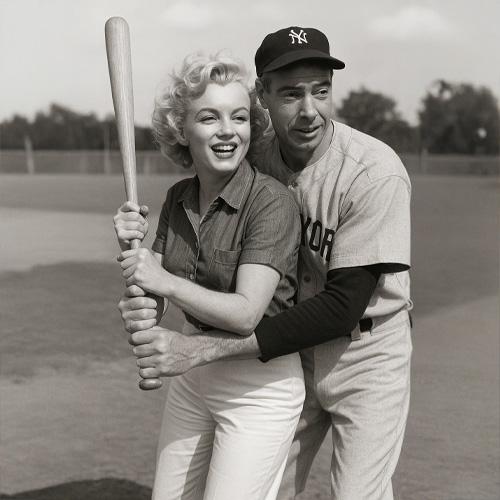
Monroe suffered multiple miscarriages due in part to severe endometriosis, a condition largely unacknowledged and undertreated during her lifetime. Her desire for a child was one of the great unfulfilled longings of her life.
Beneath the public performances of romantic happiness, Monroe’s diaries and personal correspondence reveal a woman in profound psychological pain — battling anxiety, insomnia, and dependency on prescription barbiturates prescribed by physicians who failed to adequately address the underlying causes of her distress. She sought help repeatedly, entering psychiatric facilities and undergoing extensive psychoanalysis, but the support systems available to her were woefully inadequate for the scale of her suffering.
The Straits of Dire
“Help help help — I feel life coming closer when all I want is to die.” — Marilyn Monroe, personal diary
Among the most haunting artifacts of Marilyn Monroe’s private life is a drawing discovered on Hotel del Coronado stationery — a small, childlike stick figure surrounded by water, with the word “help” scratched beside it. The image is at once heartbreaking and illuminating: here was a woman who commanded the world’s attention, yet felt she was drowning in plain sight.
Her personal writings, now held in private collections and partially published, reveal the full dimensions of her inner struggle. She wrote poetry, stream-of-consciousness reflections, and urgent notes to herself that oscillate between extraordinary self-awareness and desperate confusion. She was, in her own words, “trying to find out if there was a me behind the face.”
The tragedy of Monroe’s private suffering is inseparable from the context of the era. In the 1950s and early 1960s, women’s psychological distress was routinely pathologized, minimized, or medicated without genuine therapeutic engagement. Monroe was surrounded by physicians and psychiatrists who, despite their credentials, often served the interests of the studios or her handlers more than her own wellbeing.
Her struggles with endometriosis, insomnia, and addiction to chloral hydrate and Nembutal were treated symptomatically rather than systemically. The woman who drew that drowning figure on hotel stationery was reaching out — and the systems around her largely failed to catch her. Understanding this context is essential to honoring her legacy honestly and completely.
The Final Year: 1962
The year 1962 was, by any measure, one of the most turbulent and consequential of Marilyn Monroe’s life. She was simultaneously at the peak of her cultural visibility and at one of the lowest points of her personal wellbeing — a tension that ran through every aspect of her final months with almost unbearable intensity.
January 1962
Production begins on Something’s Got to Give at Fox. Monroe, battling sinus infections and depression, struggles to maintain her shooting schedule.
May 19, 1962
Monroe performs “Happy Birthday, Mr. President” at Madison Square Garden for JFK’s 45th birthday celebration — breathlessly, unforgettably, in a $12,000 Jean Louis gown.
June 1962
Fox fires Monroe from Something’s Got to Give following her absences. The shoot, and the last glimpse of what might have been, is abandoned.
July 1962
Journalist Richard Meryman conducts the final authorized interview. Monroe is candid, reflective, and unexpectedly philosophical about fame and identity.
August 4, 1962
Monroe is found unresponsive at her Brentwood home. She is 36 years old. The world will never be the same.
The photographs taken by Allan Grant in July 1962 — among the last professional images of Monroe — show a woman who is tired but still luminous, still present, still possessed of that extraordinary capacity to fill a frame. The film footage from Something’s Got to Give, recovered and released decades later, shows the same: a performer of absolutely undiminished power who simply ran out of time.
The Tragic End & Immortal Legacy
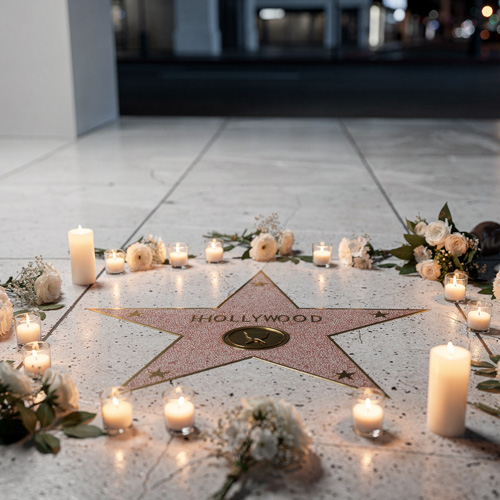
On the morning of August 5, 1962, the world awoke to the news that Marilyn Monroe had died. She was found at her home on Fifth Helena Drive in Brentwood, Los Angeles, at the age of 36. The official cause of death was ruled a probable suicide by acute barbiturate poisoning — a verdict that has been questioned, debated, and scrutinized by historians and investigators for the six decades since. The precise circumstances of her death remain, in meaningful ways, unresolved.
What is not in dispute is the magnitude of the loss, or the scale of the grief that followed. Joe DiMaggio, who had never stopped loving her, arranged and presided over her funeral at the Westwood Village Memorial Park Chapel. He ordered that roses be placed on her crypt three times a week — an act of devotion he maintained until his own death in 1999. For twenty years, fresh red roses marked the grave of a woman he had loved and failed and loved again.
The legacy she left behind is staggering in its breadth. The American Film Institute ranked her the 6th greatest female screen legend in the history of Hollywood. Her 29 completed films continue to be screened, studied, and celebrated worldwide. Her image remains one of the most reproduced in human history. And yet what endures most powerfully is not the image, but the story behind it — the foster child who became a global icon, the woman who demanded to be taken seriously and largely was not, the artist who deserved more time than the world gave her.
29
Films Completed
Lorem ipsum dolor sit amet, consectetur adipiscing elit. Ut elit tellus, luctus nec ullamcorper mattis, pulvinar dapibus leo.
36
Age at Death
Lorem ipsum dolor sit amet, consectetur adipiscing elit. Ut elit tellus, luctus nec ullamcorper mattis, pulvinar dapibus leo.
6th
AFI Ranking
Greatest female screen legend in Hollywood history
20
Years of Roses
DiMaggio’s weekly tribute to her memory
Legacy
Iconic Photography: The Flashbulb Legacy
No figure of the twentieth century was more relentlessly, more brilliantly, or more controversially photographed than Marilyn Monroe. From her earliest modeling sessions in 1945 to the final Allan Grant portraits of July 1962, her image was in constant production — by studios, by press photographers, by fine art collaborators, and by admirers of every description. The sheer volume of iconic photographs she generated is without parallel in the history of popular culture.

The Playboy Cover (1953)
When Hugh Hefner used Monroe’s image on the inaugural cover of Playboy in December 1953 — using nude calendar photographs taken by Tom Kelley in 1949 — he changed the cultural landscape permanently. Monroe had posed for the photographs for $50 when she was a struggling model; she received none of the proceeds from their subsequent fame.
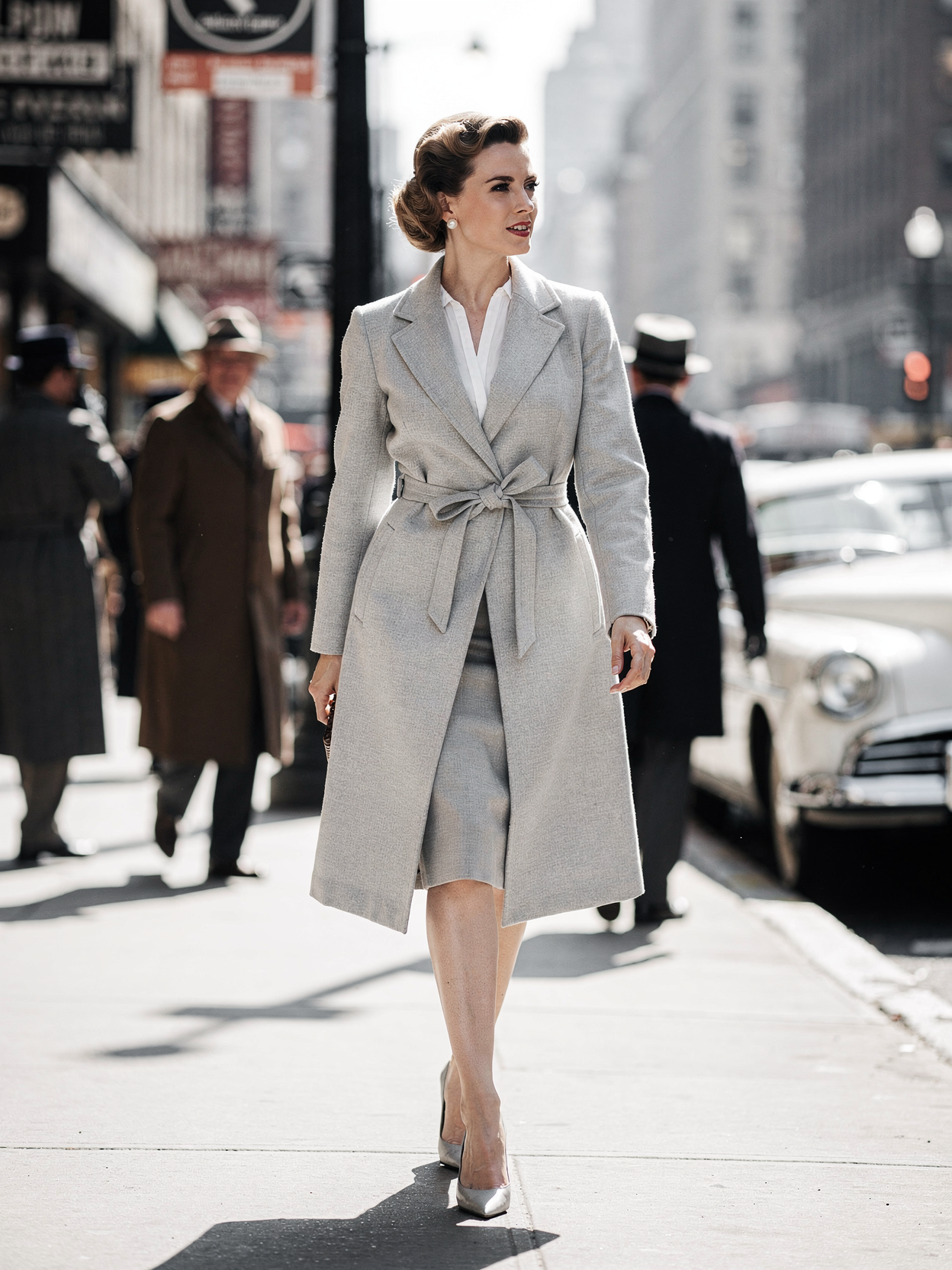
Sam Shaw & The Street
Photographer Sam Shaw captured Monroe in both her public and private dimensions with extraordinary sensitivity. His photographs of the subway grate filming for The Seven Year Itch, taken on Lexington Avenue in New York, became some of the most widely circulated images of the century — spontaneous, alive, and absolutely joyful.

Milton Greene: The Collaborator
Monroe’s friendship and professional partnership with photographer Milton Greene produced some of the most artistically sophisticated images of her career. Greene saw in her not a sex symbol but a genuine subject — someone whose inner life could be made visible through careful, patient photographic collaboration. Their sessions together yielded images of haunting beauty.
The paradox at the heart of Monroe’s photographic legacy is this: she was perhaps the most photographed person of her era, yet she frequently felt unseen, misread, and reduced. The images that captured her body rarely captured her mind. The photographs she loved most were often the quiet ones — unguarded moments between takes, private laughter, the face she wore when she forgot the camera was there. Those images tell a different story, and it is the one most worth knowing.
The Girl Who Wanted to Be Seen
The great irony of Marilyn Monroe’s visual legacy is that the more she was photographed, the less many people truly saw her. Studios marketed her image as a product. Tabloids trafficked in her private pain. Fans projected their own fantasies onto a face that had, from very early on, learned to offer the world exactly what it wanted while keeping the real self carefully guarded.
Yet in certain photographs — particularly those taken by Greene, by Cecil Beaton, by Eve Arnold, and by the documentary photographer Henri Cartier-Bresson, who photographed her during the filming of The Misfits — something else entirely breaks through. You see a woman of extraordinary depth, caught in a moment of unmediated presence. The performance drops. The legend recedes. And there she is: Norma Jeane, still present beneath everything, still looking for connection, still reaching.
Eve Arnold, one of the first female photojournalists at Magnum Photos, spent significant time with Monroe across the 1950s and early 1960s. Her photographs are remarkable for their intimacy and their refusal to reduce their subject to iconography. Arnold later wrote that Monroe “had the skin of a child” and “the eyes of someone who had seen too much.” The combination, she said, was devastating.
These photographs — quiet, honest, close — are the ones that matter most now. They are the archive of a real person navigating an impossible public existence, and they remind us that behind every legend is a human being who simply wanted, more than anything, to be treated as one.
"I don't mind living in a man's world, as long as I can be a woman in it." — Marilyn Monroe
Her Words
Quotes from the Heart
Marilyn Monroe’s words — drawn from interviews, personal journals, letters, and the margins of books she was reading — reveal a mind that was philosophical, poetic, and often startlingly candid about the complexities of fame, identity, love, and survival. These are not the quotes of a “dumb blonde”; they are the reflections of someone who had thought deeply about what it means to be a human being in an inhuman world.
“I just hate to be a thing — not a person. I want to be more than a thing. I want to be real.”
On Identity
“I never felt I had an effect on people until I was in Korea. I stood there in the freezing cold, and I thought, this is the first time I’ve felt like a real person.”
On Korea, 1954
“I realized that people want to see that you’re real. That you can break. They’re not looking for perfection — they’re looking for truth.”
On Authenticity
“Imperfection is beauty, madness is genius, and it’s better to be absolutely ridiculous than absolutely boring.”
“I am not interested in money. I just want to be wonderful.”
“A wise girl kisses but doesn’t love, listens but doesn’t believe, and leaves before she is left.”
“Dogs never bite me. Just humans.”
Her most profound observations were often also her most personal. In a letter to her acting coach Lee Strasberg, she wrote about the terror of being truly seen — the fear that once the performance was stripped away, there might be nothing underneath. And yet she kept performing, kept searching, kept reaching. That courage in the face of profound self-doubt may be the most human, and the most inspiring, thing about her.
Recognition
Awards & Recognition
Marilyn Monroe’s formal recognition by the entertainment industry was, in truth, embarrassingly inadequate relative to her actual achievements. The Academy Awards — with their preference for dramatic prestige over comedic brilliance — never nominated her, a historical oversight that speaks more to the biases of the era than to the quality of her work. But other institutions were more perceptive, and the decades since her death have brought a torrent of posthumous recognition that goes some way toward correcting the record.
Golden Globe (1960)
Best Actress in a Musical or Comedy for Some Like It Hot — the formal acknowledgment of a comic genius that Billy Wilder called “the funniest woman alive.”
Hollywood Walk of Fame
Inducted in 1960, her star at 6774 Hollywood Boulevard has become one of the most visited on the entire Walk.
BAFTA & International Honors
Nominated for a BAFTA for The Prince and the Showgirl (1957) and received the Italian David di Donatello Award — recognition that her appeal transcended both national and linguistic boundaries.
AFI Greatest Legends
Ranked 6th greatest female screen legend of all time by the American Film Institute — above virtually every actress of her generation and most of those who came after.
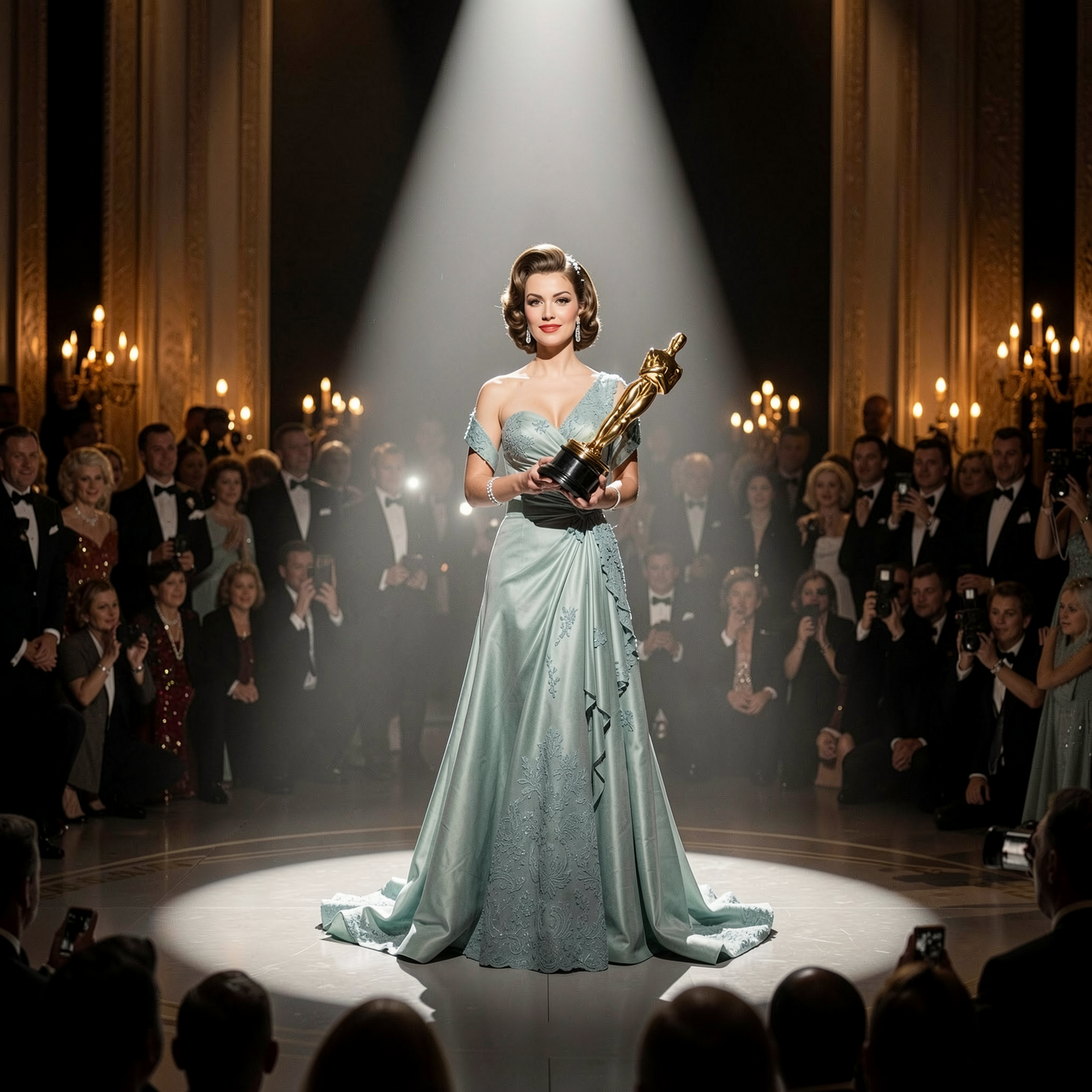
In 1999, Time magazine named Monroe one of the 100 Most Important People of the 20th Century — recognizing her not merely as an entertainer but as a cultural force who reshaped how the world thought about women, fame, and image.
Centenary
100 Years of Marilyn: A Lasting Impact
As we approach the centenary of Marilyn Monroe’s birth on June 1, 2026, the world is engaged in a profound, ongoing reassessment of who she was, what she meant, and what we owe her memory. The caricature — the dumb blonde, the tragic victim, the eternal object of desire — is finally giving way to something more honest, more complex, and ultimately more interesting: the full human being.
The Survivor
An emblem of resilience — a child of the foster system, an abuse survivor, a woman who rebuilt herself from almost nothing and reached the very pinnacle of global fame. Her story is one of extraordinary human endurance.
The Artist
29 completed films. A Golden Globe. The admiration of Lee Strasberg, Billy Wilder, and Laurence Olivier. A body of work that continues to be discovered by new generations who consistently find it more sophisticated than advertised.
The Cultural Force
Millions of fans across six decades and every continent. An image so powerful it has been cited as a direct influence by everyone from Andy Warhol to Madonna to contemporary feminists reexamining the politics of female visibility.
The Mystery
One hundred years on, Marilyn Monroe remains genuinely unknowable in ways that are not merely biographical but philosophical. She raises questions about identity, performance, visibility, and womanhood that our culture is still working to answer.
The 2026 Centenary will be marked by exhibitions, retrospectives, documentary films, and archival releases in cities around the world — Los Angeles, New York, London, Paris, and Tokyo among them. Each will offer a different facet of the prism. Together, they will attempt what no single document has ever fully managed: to see Marilyn Monroe whole.
100 Years of a Global Icon
From the silver screen to the world stage — a filmography that defined an era
Some Like It Hot (1959)
Billy Wilder’s masterpiece. Monroe as Sugar Kane — vulnerable, funny, heartbreaking, and wholly alive. Her timing is flawless. Her chemistry with Tony Curtis and Jack Lemmon is unrepeatable. Consistently ranked among the greatest films ever made.
Gentlemen Prefer Blondes (1953)
“Diamonds Are a Girl’s Best Friend” remains one of cinema’s most enduring musical sequences — knowing, subversive, and performed with a precision that disguises the extraordinary craft underneath. It has been imitated by virtually every major female performer of the last seventy years.
Niagara (1953)
Her first starring vehicle announced the full scope of her screen presence. Monroe plays a femme fatale with genuine menace and complexity — a performance that proved, to anyone paying attention, that she was capable of far more than the studio was asking of her.
The Misfits (1961)
Her final completed film, written for her by Arthur Miller, co-starring Clark Gable in his final role. Filmed in the Nevada desert, it is a strange, beautiful, deeply melancholy film — as if both Monroe and the old Hollywood she had helped define were saying goodbye at the same time.
Truth & Context
Understanding the Trauma: Honoring the Whole Person
The mythology of Marilyn Monroe has always been as much a set of projections and distortions as it has been a faithful record. In the decades since her death, a cascade of biographies, documentaries, and dramatizations has both illuminated and further obscured the reality of who she was. Some of the most persistent myths — about her intelligence, her agency, her relationships, and the circumstances of her death — have proven extraordinarily resistant to the evidence that contradicts them.
The question of her paternity remains officially unresolved to this day. Her father was listed as “unknown” on her birth certificate, and though several men have been proposed over the years — including, most persistently, silent film actor Charles Stanley Gifford — no definitive answer has ever been established. The uncertainty of her origins haunted her throughout her life and contributed significantly to her persistent sense of not belonging anywhere or to anyone.
The evidence of childhood abuse, including multiple accounts of sexual assault in foster care that Monroe herself described in interviews and diary entries, has been treated with varying degrees of seriousness by biographers. Recent scholarship has moved toward taking these accounts at face value — recognizing that the trauma they describe is directly relevant to understanding the psychological patterns that shaped her adult life and her relationships.
The broader systemic dimensions of Monroe’s story — the ways in which the Hollywood studio system, the psychiatric establishment of the 1950s, and a deeply sexist cultural environment all contributed to her suffering — are now increasingly recognized as central to any honest account of her life. She was not simply a tragic figure destroyed by her own fragility; she was a woman failed by nearly every institution she encountered, who nonetheless managed to produce a body of work of genuine and lasting artistic significance.
Honoring Marilyn Monroe’s legacy means resisting the temptation to reduce her to a symbol — of glamour, of tragedy, of sexuality, or of anything else. She was a person first. The complexity deserves our full attention.
Remember
A Call to Remember
Beyond the flashbulbs. Beyond the platinum hair. Beyond the legend itself.
What does Marilyn Monroe mean to us, one hundred years after her birth?
She means something different to everyone who encounters her, which is perhaps the most honest thing that can be said about any genuine cultural icon. To some, she is the ultimate symbol of feminine allure — the image that defined beauty for a generation and has never quite been replaced. To others, she is a cautionary tale about the costs of fame, the exploitation of vulnerability, and the failure of a society to protect those it most voraciously consumes.
To a growing number of people — particularly young women and researchers who have engaged seriously with the archival record — she is something more nuanced and more inspiring than either of those readings. She is a survivor. A self-made artist. A woman who, despite every obstacle placed before her, created work of genuine enduring value and left the world permanently changed by her passage through it.
The exhibitions, archives, and retrospectives of the 2026 Centenary will offer new generations the opportunity to encounter her on something closer to her own terms — through her own words, her own photographs, her own films, seen with fresh eyes undimmed by decades of myth-making. That encounter, if undertaken with honesty and curiosity, will be revelatory.
The official centenary archives, held by the Monroe estate and accessible through affiliated institutions, contain thousands of photographs, hours of footage, personal letters, diary pages, and annotated books from her personal library. They constitute one of the richest documentary records of any cultural figure of the twentieth century — and they tell a story that is far more interesting, far more complex, and far more human than the legend.
Marilyn Monroe deserves to be remembered as she was: a woman of extraordinary gifts and profound struggles who lived fully, loved imperfectly, created brilliantly, and left too soon. She wanted, above all else, to be real. The least we can do, a hundred years on, is to see her that way.
The Marilyn Monroe Centenary — June 1, 2026. Exhibitions worldwide. Archives opening for the first time. A century of one life. One extraordinary, irreducible, unforgettable human life.
“She was a poet on a street corner trying to recite to a crowd throwing rotten tomatoes.” — Lee Strasberg, speaking at Marilyn Monroe’s funeral, 1962